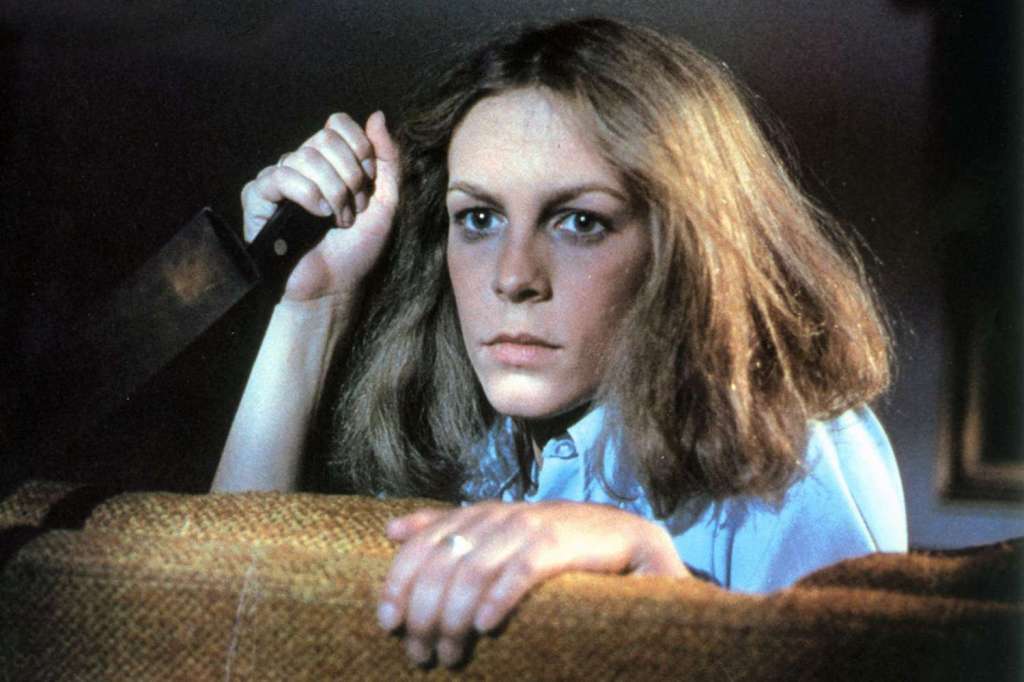
I love horror movies, I love watching them. However, I have noticed the horror genre tends to favor the male gaze perspective. We watch scary movies to experience some kind of stimulation, whether that be fear, excitement, anxiety, etc. Horror movies can get the audience involved, on the edge of their seats wondering what will happen next. Horror films show viewers a brief look into the character’s lives, usually only evolving 1 or 2 characters. However, the main character’s perspective is through a patriarchal lens.
The Male Gaze, a term popularized by film theorist, Laura Mulvey, can be simply described as, “cinema narratives and portrayals of women in cinema are constructed in an objectifying and limiting manner to satisfy the psychological desires of men, and more broadly, of patriarchal society.” Women on the big screen are depicted as sexually pleasing to the male eye. One of the most infamous scenes in horror history, is the shower scene in Alfred Hitchcock’s Psycho. The female protagonist is shown undressing and getting into the shower, the scene is from her point of view so the audience watches her shower as she get’s snuck up on by the killer. Horror films are supposed to be scary, thrilling, and semi unrealistic. However, there is one aspect that is completely real, the hyper-sexualization of women.
Women and men are both just as likely to be victims in horror movies. However, data shows that non-surviving female characters were more sexual than both the surviving and non-surviving males. Also, surviving female victims are more likely to be associated with the absence of sexual behavior. This sends a message that the ‘pure’ woman survives while the ‘slut’ gets murdered. The scenes of the female victims are also much more memorable, usually lasting twice as long than scenes of male victims. This is because the female characters are shown being chased and their breasts are the point of focus, or because the woman is shown undressing or committing a sexual act beforehand. Most of the time, the scenes of female victims being nude, or exposed, have nothing to do with the scene and are just there for patriarchal entertainment.
Slasher films are a sub-genre of horror that emerged in the late 1970s. These films were the first to experiment with ‘torture porn.’ Slasher films were also some of the first in the genre to not depict women as ‘damsels in distress’ but rather as a main, fully evolved character. This trope has been coined as ‘The Final Girl’ by Carol J. Clover. The final girl is always the antagonist, the audience watches her go through psychological torture, cope with her friends dying, while also trying to battle the killer herself. This should be empowering, a solo woman going against the big strong killer and winning. So why isn’t it empowering?
The final girl dances on the line of feminism and misogyny. The final girl is different, she is a tom boy or at least not as girly and provocative than the other girls. She has ‘morals’ that the other victims did not, she doesn’t drink or party, she dresses modestly, abstains from sex, and she is morally ‘good.’ Every slasher film goes something like this: killer in a mask stalks a group of young adults and kills them one by one until only one survivor is left to go face to face with. The final girl is the one who makes it to the end but why is she the only one worthy of survival? They survive because they follow the moral code. The other female characters who perish were either too sinful, or too stupid to survive.

Most slashers are framed around a woman’s suffering and tragedy, so even though they come out ‘on top,’ they are left with irreversible trauma, isolation, PTSD, and scars (mental and physical). Sometimes the final girl saves herself like Jamie Lee Curtis’ character in Halloween, other times the final girl is saved by someone else like Sally in Texas Chainsaw Massacre. Curtis’ character, Laurie survives because she wears turtlenecks, doesn’t drink, and is a competent babysitter while her friends who suffer a different fate all party, drink, and have premarital sex. Similarly in Texas Chainsaw Massacre, Sally doesn’t partake in doing drugs with her friends, and she cares for disabled brother.
The final girl trope is a direct outcome of society’s expectations of women. After the ‘golden age’ of slasher films ended in the late 1980s, horror films started to stray away from the played out trope. Wes Craven’s Scream hit the theaters in 1996, and while it is a brutal slasher film, it does break some past rules that preceding films of the genre set. Sidney Prescott, our final girl, has sex in the movie and survives all of the series films. The villains in Scream weren’t overpowering brooding supermen, but instead jealous, lazy, misogynistic high school boys. One of the main characters, Randy Meeks, even pokes fun at the common horror trope, after having sex, people die. Although Scream wasn’t groundbreaking, it certainly pushed horror past it’s boundaries and inspired future films to do so.
Moving past the 1990s, horror films have become more progressive, yet still have a way to go. Jennifer’s Body (2009) had very bad reviews when it first came out, but in recent years has aged well and become somewhat of a cult classic for young adult women. Jennifer is a teenage girl who is not ‘pure’ and this is the reason she does survive. Jennifer was strong, smart, scary, and even relatable although she was a monster. The men in this movie aren’t portrayed as heroes or important characters, it’s clear the main focus is the female dynamic between Jennifer and her nerdy, shy, best friend, Needy. Jennifer’s Body was a movie about, “girl-on-girl hatred, sexuality, the death of innocence, and also politics in the way the town responds to the tragedies” said the films director, Diablo Cody.
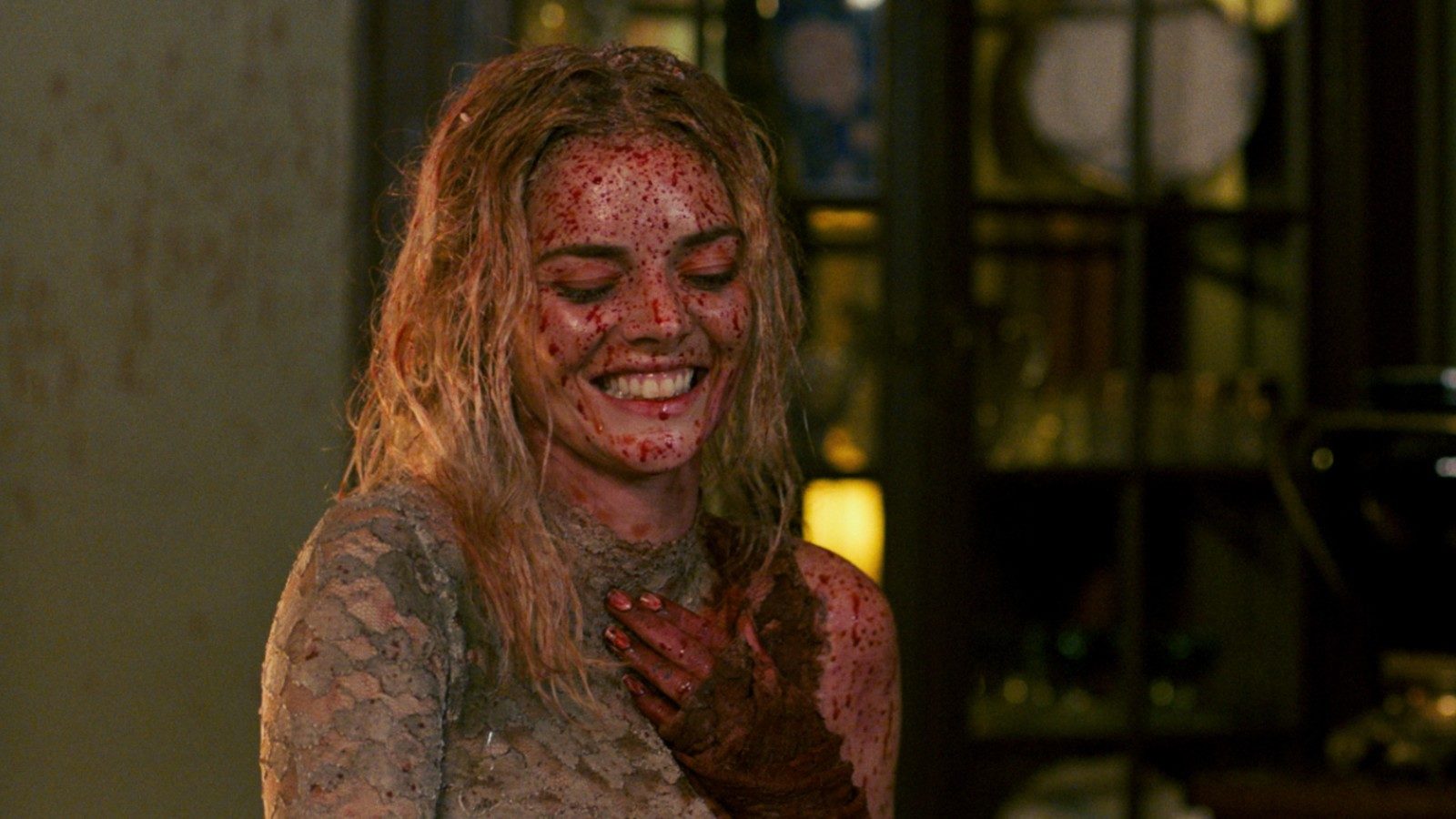
Since 2010, fortunately we have gotten more horror movies that feature female characters as strong, smart, and resourceful. Some of my favorites are: Hush (2016), Ready or Not (2019), Midsommar (2019), and The Invisible Man (2020). Hopefully as the horror genre continues to expand, we see more bad-ass women on the big screen who aren’t shown being stabbed shirtless, or killed for being unholy.
Horror should terrify and/or excite us, but not at the cost of reinforcing harmful stereotypes against women. We can still watch all our our favorite classic horror movies, but by recognizing the male gaze and how it impacts the genre, we can challenge filmmakers and directors to go outside of the box. Fear and empowerment and coexist in horror movies when done correctly. By dismantling the male gaze in the horror genre, we can create a space for equality amongst men and women showcased in those films.
 The C Word
Leave a comment